Access the tooth
A small opening provides access to the inside of the tooth.
A root canal can help relieve pain, treat infection, and save a damaged tooth from extraction.
You may need a root canal if the soft tissue inside your tooth becomes inflamed or infected because of deep decay, cracks, chips, or repeated treatment.
If the inside of a tooth becomes infected, root canal treatment removes the damaged tissue, cleans the canals, and seals the tooth to help prevent further infection.
The dentist numbs the area, removes infected tissue, cleans the inside of the tooth, and fills the space. A crown may be recommended afterward to protect it.
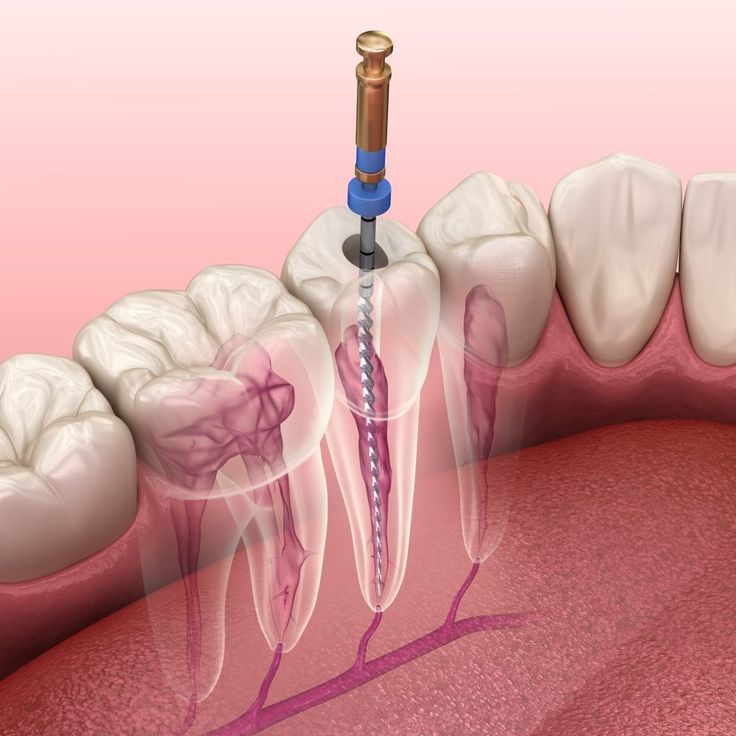
The most common signs include tooth pain, swelling, sensitivity, discoloration, or pain when chewing.
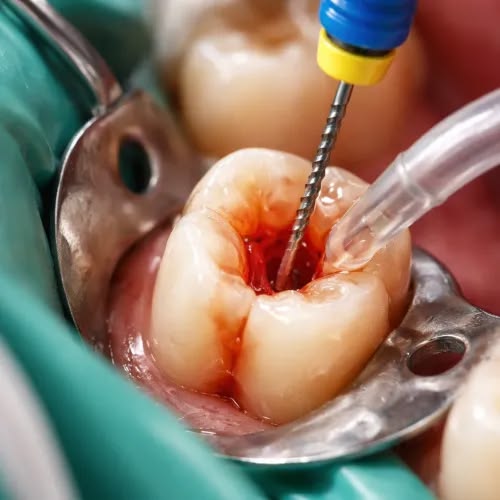
Your dentist removes infected tissue, cleans and disinfects the tooth, fills the canals, and restores the tooth so it can function comfortably again.
A small opening provides access to the inside of the tooth.
Damaged tissue is removed and the canals are cleaned.
The clean canals are sealed with a dental material.
A filling or crown protects the tooth and restores function.
A root canal can feel stressful, but the right care team can make the process clear and comfortable.
Schedule Appointment
Ask about available offers and payment options before treatment begins.
View Payment OptionsWe offer financing options and support to help make root canal treatment more affordable.
Schedule Appointment
The tooth is numbed during treatment, and the team checks your comfort throughout the visit.
It is a treatment that removes infected tissue from inside a tooth and seals the canals.
Cost depends on the tooth, treatment complexity, restoration, and insurance.
The infected tissue is removed, the canals are cleaned and filled, and the tooth is restored.
Timing varies, but many treatments are completed in one or two visits.
Severe pain, swelling, or infection should be evaluated promptly.
Yes. Root canal treatment is designed to preserve a tooth that might otherwise need extraction.
A crown is often recommended, especially for back teeth.
Mild tenderness can occur for a few days and usually improves steadily.
Wait until numbness fades and follow the care instructions provided by your dentist.
Reinfection is possible, so contact the office if symptoms return.
Daily home care, regular exams, and early treatment of decay can reduce risk.
We explain each step before, during, and after treatment so you know what to expect.
Schedule Appointment