Bleeding gums
Bleeding while brushing, flossing, or eating firm foods.
Healthy gums support a healthy smile
Protect your gums, preserve your smile, and prevent long-term oral health complications with expert periodontal care.
Schedule ConsultationUnderstanding gum health
Periodontal disease, often called gum disease, is an infection and inflammation of the tissues that surround and support the teeth. It commonly begins as gingivitis, when plaque along the gumline causes redness, tenderness, or bleeding. At this early stage, the bone and deeper supporting tissues are not yet permanently damaged.
When plaque is not removed, it can harden into tartar that cannot be cleaned away with brushing alone. Bacteria can then move below the gumline, creating pockets between the gums and teeth. As the condition progresses to periodontitis, these pockets deepen and the supporting gum tissue and bone can begin to break down.
Early care matters because gum disease may advance quietly. Professional evaluation and treatment can control infection, reduce inflammation, protect supporting bone, and make daily cleaning more effective.
Know the warning signs
Gum disease can look different from one person to another. An examination helps determine whether symptoms are caused by gingivitis, periodontitis, or another oral health concern.
Bleeding while brushing, flossing, or eating firm foods.
Red, puffy, tender, or irritated gum tissue.
Odor or an unpleasant taste that keeps returning.
Teeth may look longer as the gumline pulls away.
Exposed roots can react to temperature or touch.
Loss of support can allow teeth to shift or move.
Pressure can feel uncomfortable around affected teeth.
Spaces beneath the gumline can trap bacteria and buildup.
Risk factors
Plaque is the main cause, but health, habits, and genetics can affect how the gums respond.
Missed plaque can harden and irritate the gumline.
Tobacco can impair healing and hide early symptoms.
Blood sugar and gum inflammation can influence one another.
Changes can make gums more sensitive to plaque.
Some people have a greater inherited susceptibility.
Chronic stress can affect immune response and daily habits.
Dry mouth or gum changes can increase risk.

Personalized care
A deep cleaning removes plaque and tartar from above and below the gumline when routine cleaning is not enough.
Scaling removes hardened deposits beneath the gums while root planing smooths root surfaces to support healthier tissue attachment.
Medication may be recommended in selected cases to help control bacteria alongside mechanical cleaning.
More frequent maintenance visits help control buildup and monitor gum pocket depth after active treatment.
Advanced disease may require procedures that improve access for cleaning, reduce pockets, or rebuild lost support.
Clear treatment planning
Every periodontal plan is based on an examination. Your estimate may reflect the severity of disease, the number of appointments, the type of treatment, and future maintenance needs.
Early inflammation and advanced bone loss require different care.
Treatment may be completed by area over more than one visit.
Non-surgical and surgical procedures have different costs.
Ongoing periodontal visits protect the progress you make.
Insurance review and payment options can help you plan.
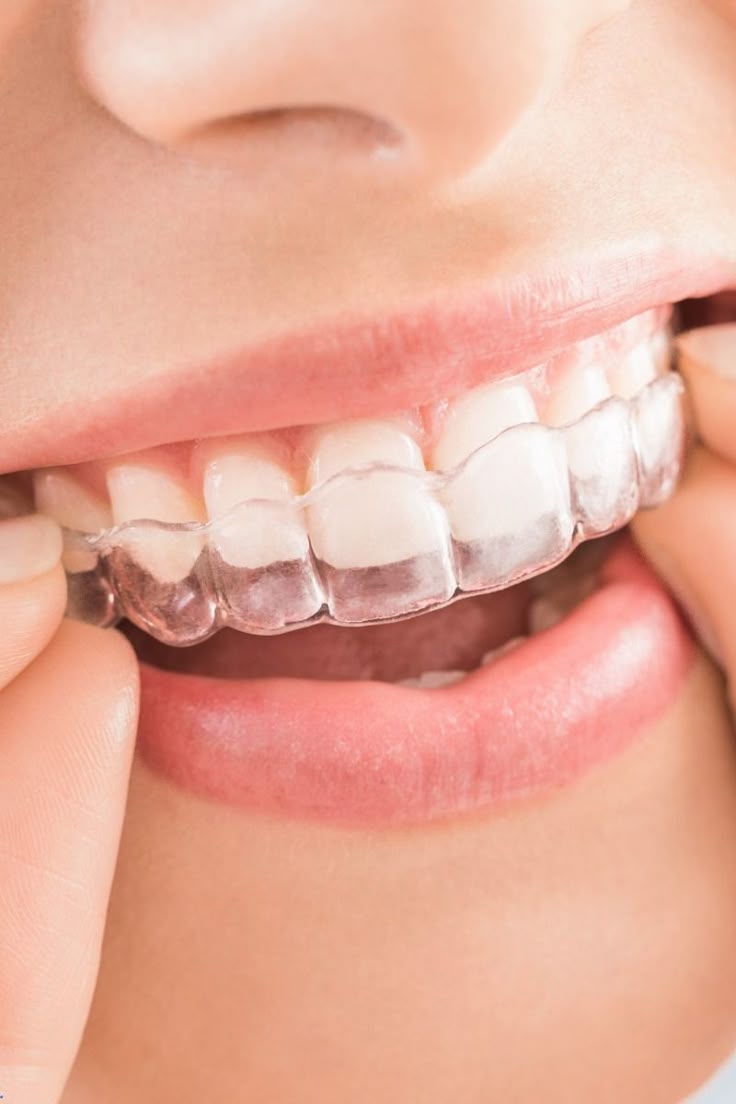
Do not ignore recurring bleeding
Occasional irritation can occur after changing a flossing routine, but repeated bleeding is often a sign that plaque is inflaming the gums. Redness, swelling, tenderness, persistent bad breath, or gum recession make evaluation more important.
Bleeding becomes more urgent when it is heavy, does not stop, follows an injury, or occurs with facial swelling, fever, loose teeth, or severe pain. Treatment may include improved home care, professional cleaning, scaling and root planing, or care for an underlying medical concern.
Daily brushing with a soft brush, careful flossing, tobacco avoidance, and regular preventive visits can lower the chance of recurring inflammation.
Schedule An Evaluation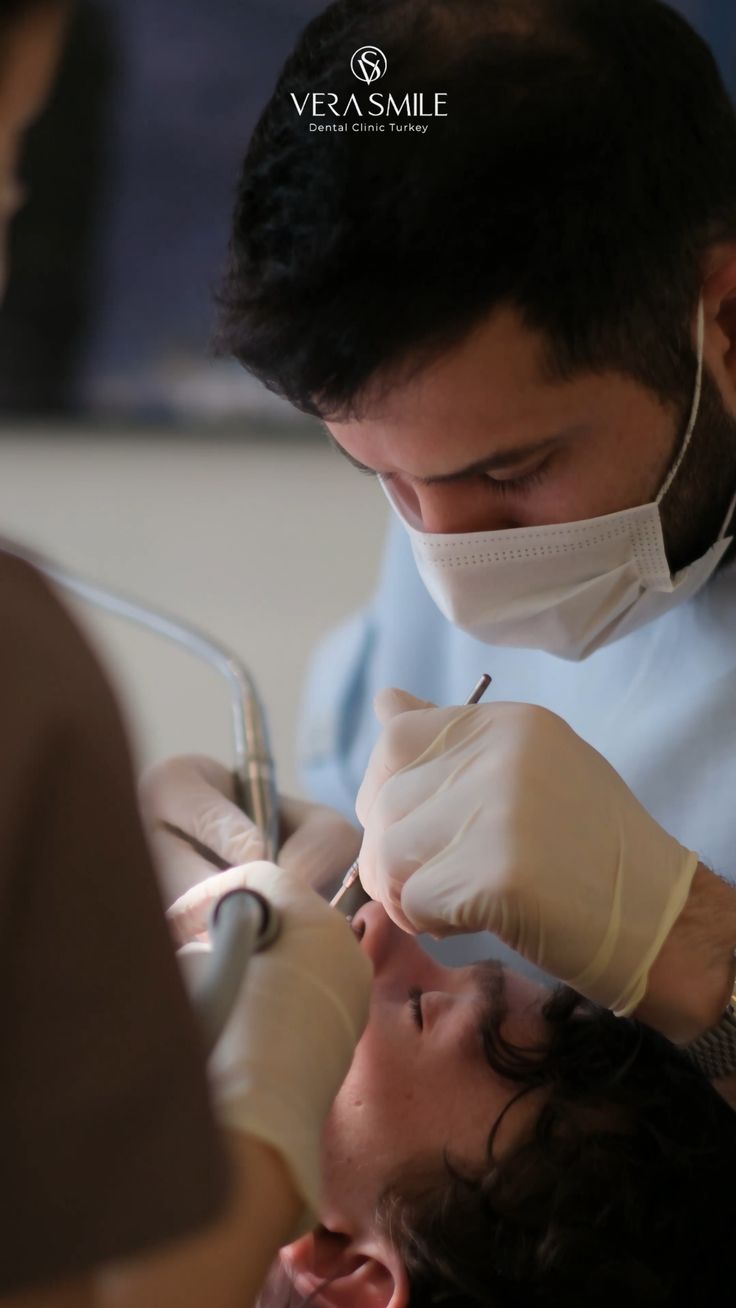
Advanced periodontal care
When advanced gum disease leaves deep pockets or damaged supporting tissue, surgery may be recommended after non-surgical treatment has been considered. Pocket reduction procedures provide access to deposits beneath the gums and help create a healthier, more maintainable gumline.
Bone grafting or tissue regeneration may be appropriate where disease has damaged the structures supporting a tooth. Your dentist explains the procedure, comfort options, expected healing, eating and cleaning instructions, and follow-up schedule before treatment begins.
Cleaning beneath the gumline
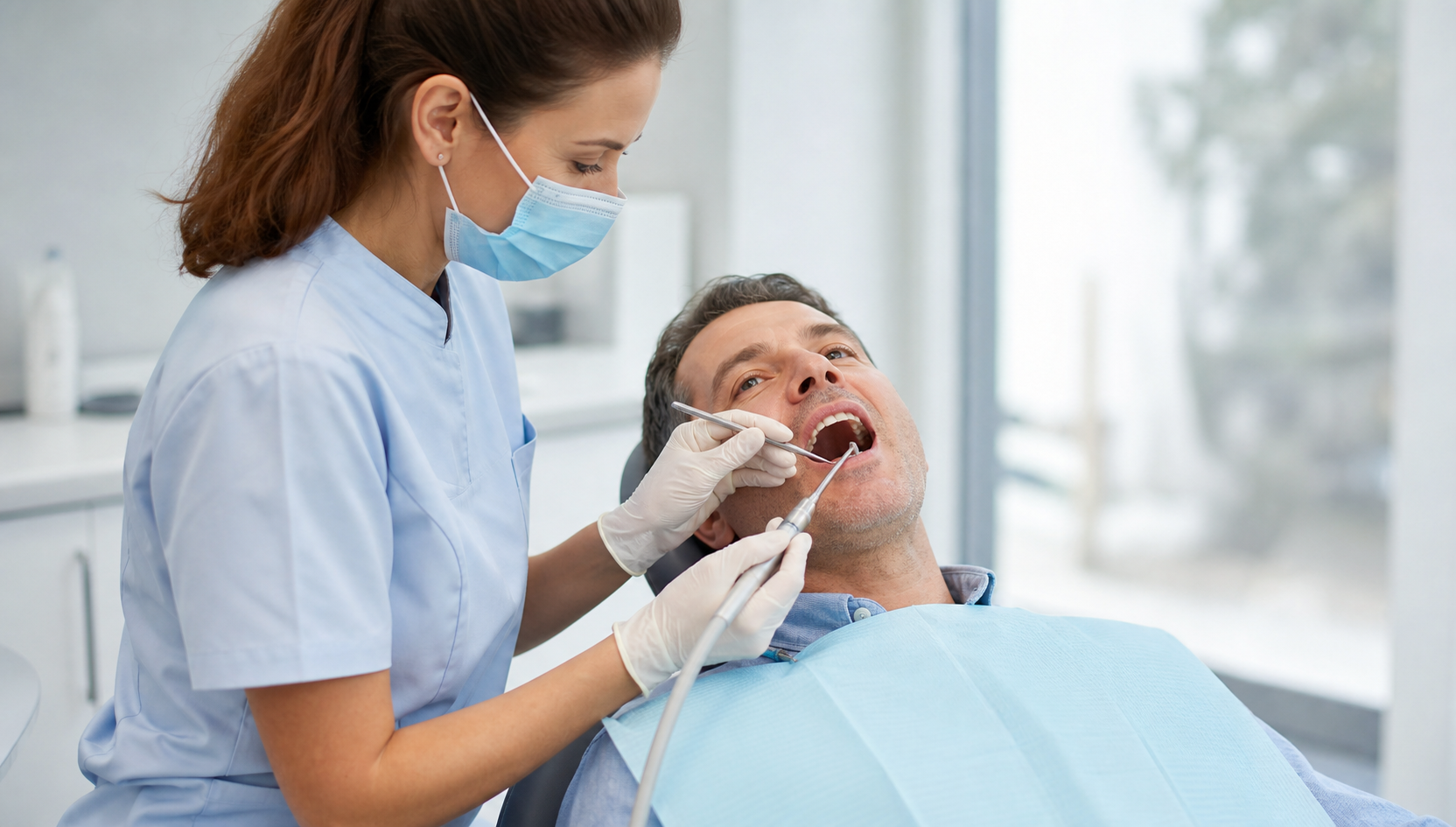
A routine cleaning focuses mainly on the visible tooth surfaces and the shallow area around healthy gums. Deep cleaning is recommended when deposits and bacteria extend farther beneath the gumline.
The treatment is usually completed after numbing the area for comfort. It removes hardened buildup, helps reduce inflammation, and creates a cleaner environment for gum tissue to heal. Mild tenderness or temperature sensitivity can occur temporarily afterward.
Patients with periodontal pockets, bone changes, ongoing bleeding, or heavy tartar are more likely to benefit from this treatment.

Non-surgical periodontal therapy
Scaling removes plaque and tartar from the tooth and from beneath the gumline. Root planing then smooths rough root surfaces where bacteria can collect.
Cleaner, smoother roots make daily care easier and support the gum tissue as inflammation improves. Treatment is often completed in sections of the mouth and followed by a healing evaluation.
Long-term results depend on careful home cleaning and periodontal maintenance visits at the interval recommended for your gum health.
Helpful answers
Plaque bacteria are the primary cause. Smoking, health conditions, medications, genetics, and inconsistent cleaning can increase risk.
Gingivitis can often improve with professional care and consistent home cleaning. Periodontitis can be controlled, but lost support may require ongoing care.
Local anesthetic is commonly used for deeper treatment. Temporary tenderness or sensitivity can occur as the tissues heal.
Recovery depends on the procedure and disease severity. Your dentist provides instructions and a personalized follow-up schedule.
Coverage varies by plan. Our team can review available benefits and explain expected costs before treatment.
Yes. Advanced disease can damage the bone and ligaments that stabilize teeth.
Many periodontal patients need visits more often than routine preventive patients. Your interval is based on gum stability and risk.
Schedule an evaluation for recurring bleeding, swelling, recession, bad breath, loose teeth, pain, or any change that concerns you.
Whether you're dealing with bleeding gums, gum recession or advanced periodontal disease, our team is ready to help restore your oral health.
Schedule Consultation